01
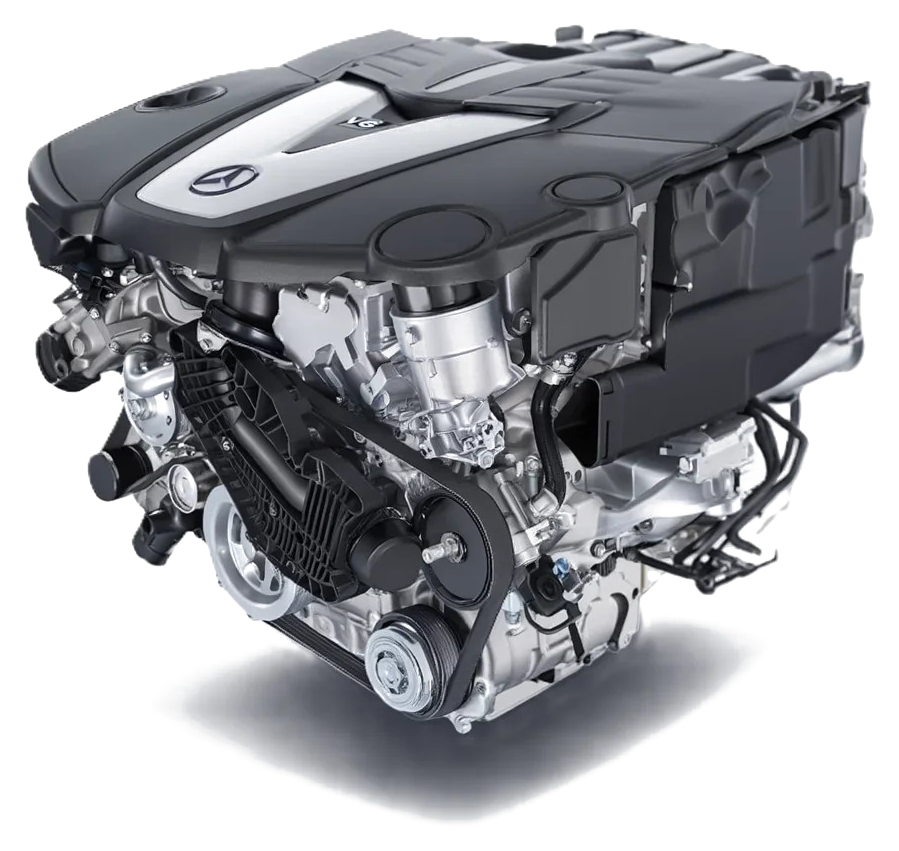
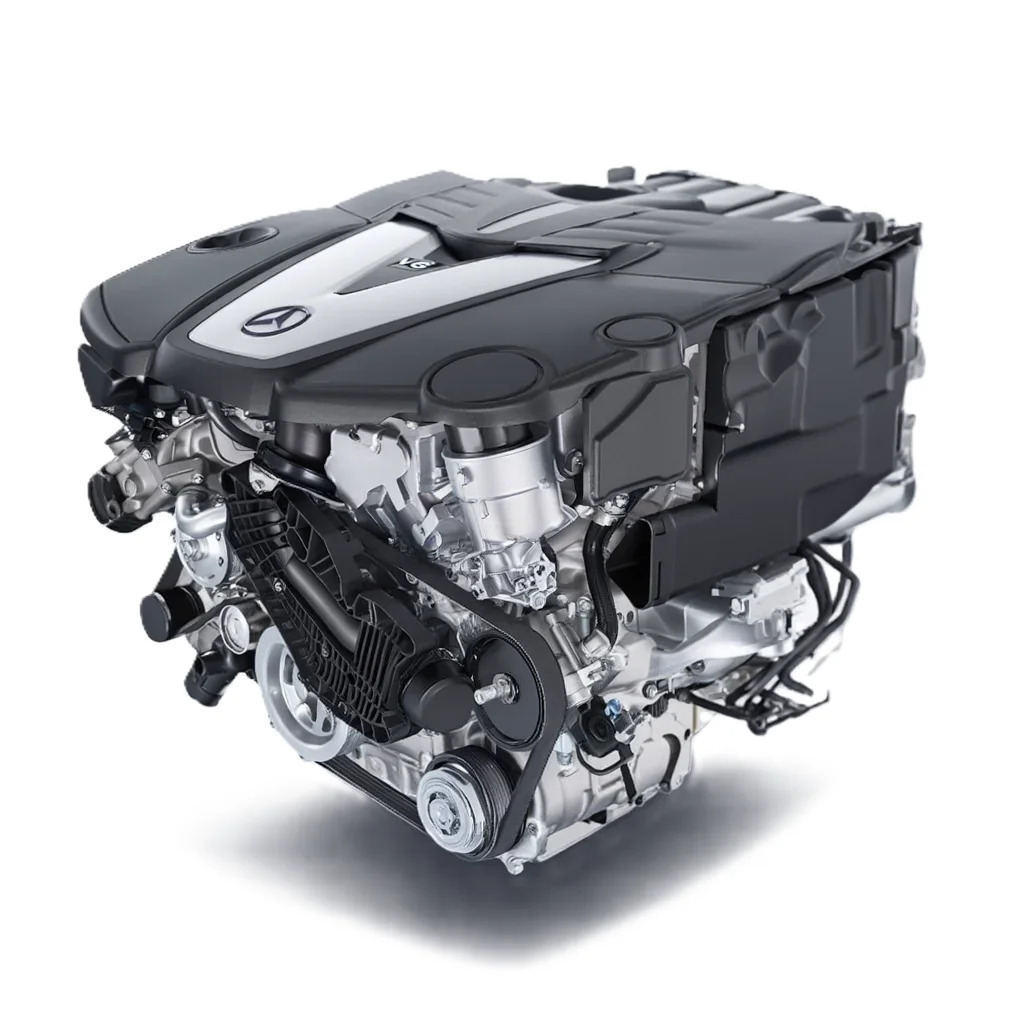
The CBAB is a 2.0-litre common-rail diesel engine from the EA189 family, widely fitted to the Volkswagen Golf, Passat, and Audi A3 between 2008 and 2013. Reconditioned units are available from £2,200 , and the EA189 2.0 TDI family generated 1,050 UK replacement requests in 2025 .
Supply & Fit Available
12-Month Warranty
Nationwide Delivery
100+ Suppliers
Secure enquiry - no spam.
Quotes only from vetted UK engine specialists.
Vetted UK specialists for CBAB replacements
Minimum 12-month warranty on reconditioned and rebuilt options
The CBAB engine code was a high-volume 136hp Euro 5 common-rail diesel deployed across the Volkswagen Group's core lineup during the transition from pump-düse to common-rail technology, most notably serving as the workhorse in the Golf Mk6 and Passat B7.
| Model | Generation/Chassis | Badge(s) | Years | Link |
|---|---|---|---|---|
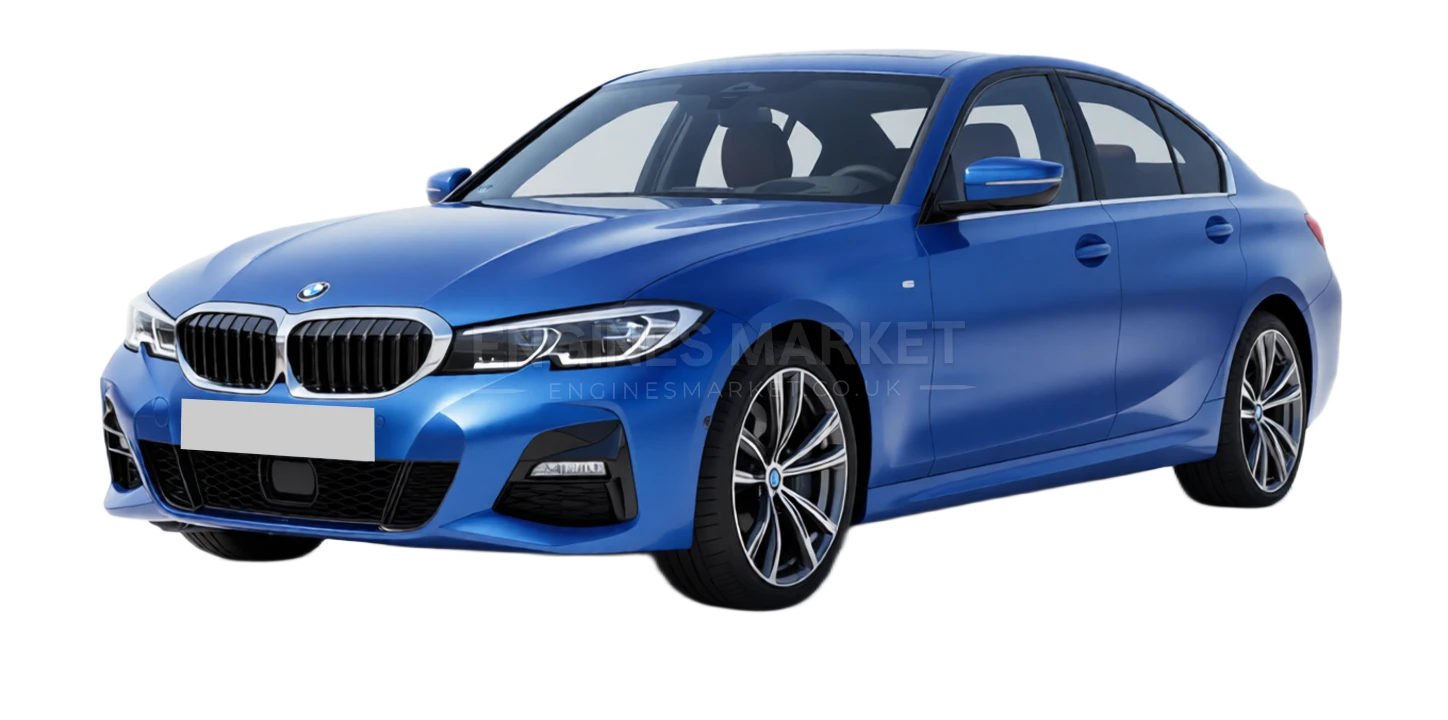 Volkswagen Golf Volkswagen Golf | Mk6 | 2.0 TDI (136hp) | 2009-2013 | |
| Volkswagen Passat | B7 | 2.0 TDI (136hp) | 2010-2013 | |
| Volkswagen Passat | B6 (late) | 2.0 TDI (136hp) | 2008-2010 | |
| Volkswagen Audi A3 | 8P (facelift) | 2.0 TDI (136hp) | 2008-2012 | |
| Volkswagen Audi A4 | B8 | 2.0 TDI (136hp) | 2008-2013 |
CBAB is documented across 5 BMW applications spanning Volkswagen Golf, Volkswagen Passat, Audi A3, Audi A4. Registration lookup confirms the exact suffix before quotes are sent.
Not sure which engine your car has- Enter your registration above - we'll confirm your exact CBAB fitment before any quotes are sent.
Condition | Supply Only | Fitted (Independent Specialist) | Typical Warranty |
|---|---|---|---|
Used | £900-£2,000 | £1,420-£2,715 | 3-6 months |
Reconditioned | £2,200-£3,800 | £2,720-£4,515 | 12-24 months |
Rebuilt | £3,200-£5,000 | £3,720-£5,715 | 12-24 months |
The final cost of a CBAB engine replacement is heavily influenced by the condition of the emissions system. Units that have suffered from the well-documented side-effects of the manufacturer's emissions software updates often require more extensive EGR or DPF remediation before a swap is completed. For a complete breakdown of how these factors impact your specific quote, see our full reconditioned engine cost guide.
Fitting a CBAB typically takes 8-11 hours at £65-£85/hr (independent specialist) - confirm exact labour when comparing quotes .
Get competitive quotes from trusted UK specialists today.
Every engine has its weak points. Here are the known issues with the CBAB, based on real-world data and verified failure patterns.
Verified issue focus: EGR valve clogging and DPF blockage.
The EA189's EGR system is highly prone to carbon buildup, especially in vehicles subjected to frequent urban driving cycles. Following the manufacturer's emissions software updates, exhaust gas temperatures increased, which accelerated DPF clogging and placed additional thermal stress on the EGR cooler.
If caught early, a thorough EGR cleaning or replacement may suffice. However, severe DPF blockage often leads to turbocharger contamination and oil dilution, making a full CBAB engine replacement the most reliable long-term solution to prevent repeat failures.
Oil starvation or excessive soot ingestion from a failing EGR/DPF system can destroy the turbocharger's variable geometry mechanism. Symptoms include a noticeable loss of power, excessive blue or grey smoke from the exhaust, and high-pitched whining noises under acceleration.
A standalone turbo replacement typically costs £800-£2,000. However, if the failing turbo has shed metallic debris into the intercooler and cylinders, a full CBAB rebuild is mandatory to prevent immediate catastrophic repeat failure.
Late-production CBAB units (2011-2013) benefited from minor running changes to the EGR cooling circuit and updated software calibrations, making them slightly more robust than the earliest 2008-2009 examples, though the fundamental EA189 architecture remains susceptible to carbon buildup .
Compare rebuilt CBAB prices with the failure already addressed
The CBAB engine code is stamped directly onto the engine block, typically located on a machined pad near the junction of the engine block and the gearbox bell housing. It is also clearly listed on your vehicle's V5C registration document under "Engine Number" and can be definitively verified via a VIN decode. Owners frequently confuse the CBAB with the older pump-düse (PD) codes like BKD or CAGA, or the later EA288 updates like CRLB. Fitting a PD-era wiring loom or ECU to a CBAB common-rail block will result in a non-start condition, and attempting to swap a CBAB with a CRLB without verifying ECU compatibility can lead to sensor mismatch errors. Always verify the exact 4-letter code before purchasing a replacement.
Not 100% sure- Enter your registration above, and our system will instantly confirm if your vehicle is equipped with the CBAB before any quotes are generated.
- the older pump-düse (PD) 2.0 TDI that preceded the common-rail CBAB, lacking the specific EGR/DPF software-induced thermal stress but prone to its own injector coking issues.
- the updated EA189 common-rail variant that introduced refined emissions hardware, marginally reducing the severe DPF clogging rates seen in early CBAB units.
This exact CBAB hardware was also widely deployed in the (8P) and (B8) of the same generation, sharing the identical failure profile and replacement economics.
Not 100% sure- Enter your registration above, and our system will instantly confirm if your vehicle is equipped with the CBAB before any quotes are generated.
Choosing the right replacement route depends on your budget, risk tolerance, and ownership goals. Here's a breakdown of your options.
A used CBAB can be a viable budget option for higher-mileage host vehicles, provided the seller can supply documented evidence of recent timing belt, EGR, and turbo maintenance. The primary risk is inheriting hidden DPF or turbo damage that will manifest shortly after installation.
A proper reconditioned CBAB is the most recommended path for most owners. A reputable supplier will have replaced the EGR valve, cleaned or replaced the DPF, fitted a new or refurbished turbocharger, and updated all seals and gaskets, directly addressing the engine's known failure points.
A full rebuild is justified if the original CBAB suffered catastrophic turbo failure with cylinder scoring, or if you plan to keep the vehicle long-term and want upgraded components (such as an improved EGR cooler) to prevent recurrence.
For complete peace of mind, our network offers full supply and fit packages, ensuring the replacement CBAB is installed by a vetted specialist and backed by a nationwide warranty.
Typical host vehicles like the Volkswagen Golf Mk6 or Passat B7 currently hold values between £3,000 and £10,000. Because a reconditioned CBAB replacement can represent 40-70% of the vehicle's total market value, we strongly advise evaluating the car's overall condition and scrap value before committing to a major repair.
Explore engines that are closely related to the Volkswagen CBAB, including its predecessor, successor, and key family variants.
- the older pump-düse (PD) 2.0 TDI that preceded the common-rail CBAB, lacking the specific EGR/DPF software-induced thermal stress but prone to its own injector coking issues.
- the updated EA189 common-rail variant that introduced refined emissions hardware, marginally reducing the severe DPF clogging rates seen in early CBAB units.
This exact CBAB hardware was also widely deployed in the (8P) and (B8) of the same generation, sharing the identical failure profile and replacement economics.
A reconditioned Volkswagen CBAB engine costs between £2,200 and £3,800 for supply-only, with fully fitted prices ranging from £2,720 to £4,515. Labour typically adds 8-11 hours at independent specialist rates, while used units are available from £900 but carry a higher risk of inherited DPF issues.
The most documented issue with the CBAB is EGR valve clogging and subsequent DPF blockage, typically surfacing between 80,000 and 150,000 miles. The manufacturer's emissions software update increased exhaust temperatures, accelerating carbon buildup, which if ignored, leads to turbocharger contamination and oil dilution.
The CBAB was primarily fitted to the Volkswagen Golf Mk6, Volkswagen Passat B6/B7, and the Audi A3 (8P) and A4 (B8) between 2008 and 2013. It served as the transitional 2.0 TDI common-rail unit before later EA189 updates, so always verify your specific chassis code as later models switched to the CRLB or CUNA codes.
A reconditioned CBAB is strongly recommended over a used unit due to the engine's susceptibility to EGR and turbocharger wear. A proper rebuild will replace the EGR valve, clean or replace the DPF, and fit a new or refurbished turbocharger, whereas used units often retain the underlying carbon buildup that caused the original failure.
You can confirm your vehicle has the CBAB engine by checking the V5C registration document under 'Engine Number' or locating the code stamped on the engine block near the gearbox bell housing. It is frequently confused with the older BKD pump-düse code or the newer CRLB common-rail code, and fitting the wrong revision can result in ECU mismatch errors.
Our free, no-obligation comparison service connects you directly with specialist engineers who understand the CBAB's specific EGR and turbocharger vulnerabilities. Your registration lookup confirms the exact fitment before any quotes are sent, ensuring you receive accurate pricing for your specific vehicle. With reconditioned CBAB units starting from £2,200, comparing your options takes just two minutes and could save you hundreds on your replacement.
Vetted UK specialists for CBAB replacements
Minimum 12-month warranty on reconditioned and rebuilt options
Nationwide delivery plus supply and fit availability
Secure enquiry - no spam. Quotes only from vetted UK engine specialists.
Secure enquiry - no spam. Quotes only from vetted UK engine specialists.
Get Free CBAB Engine Quotes