
01
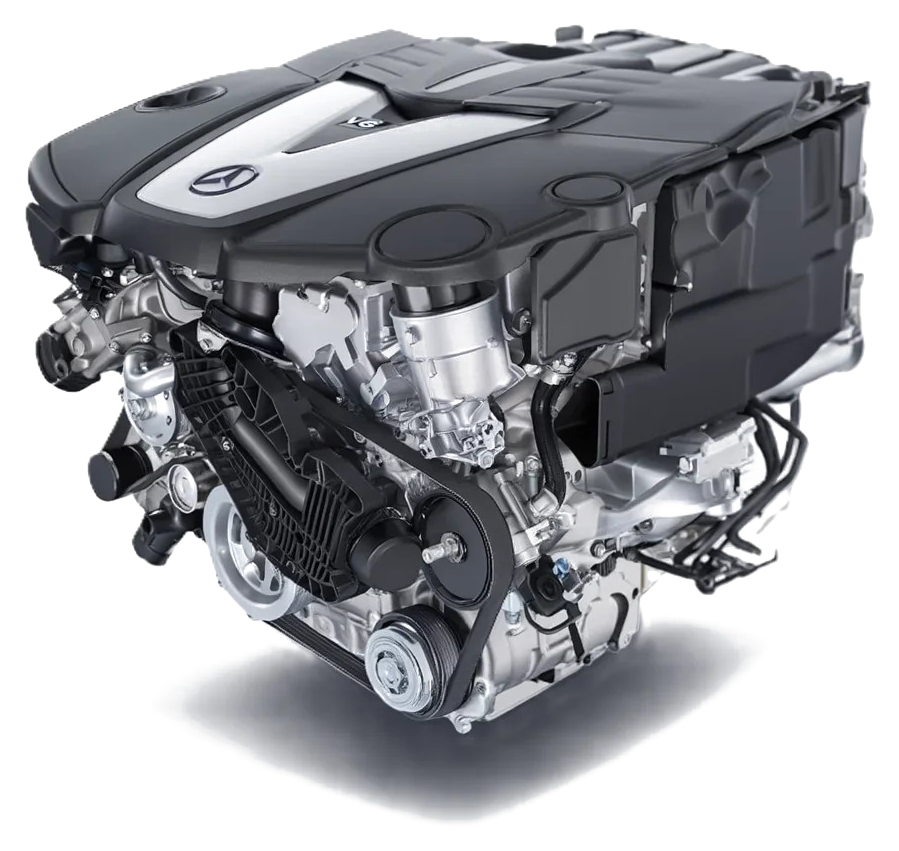
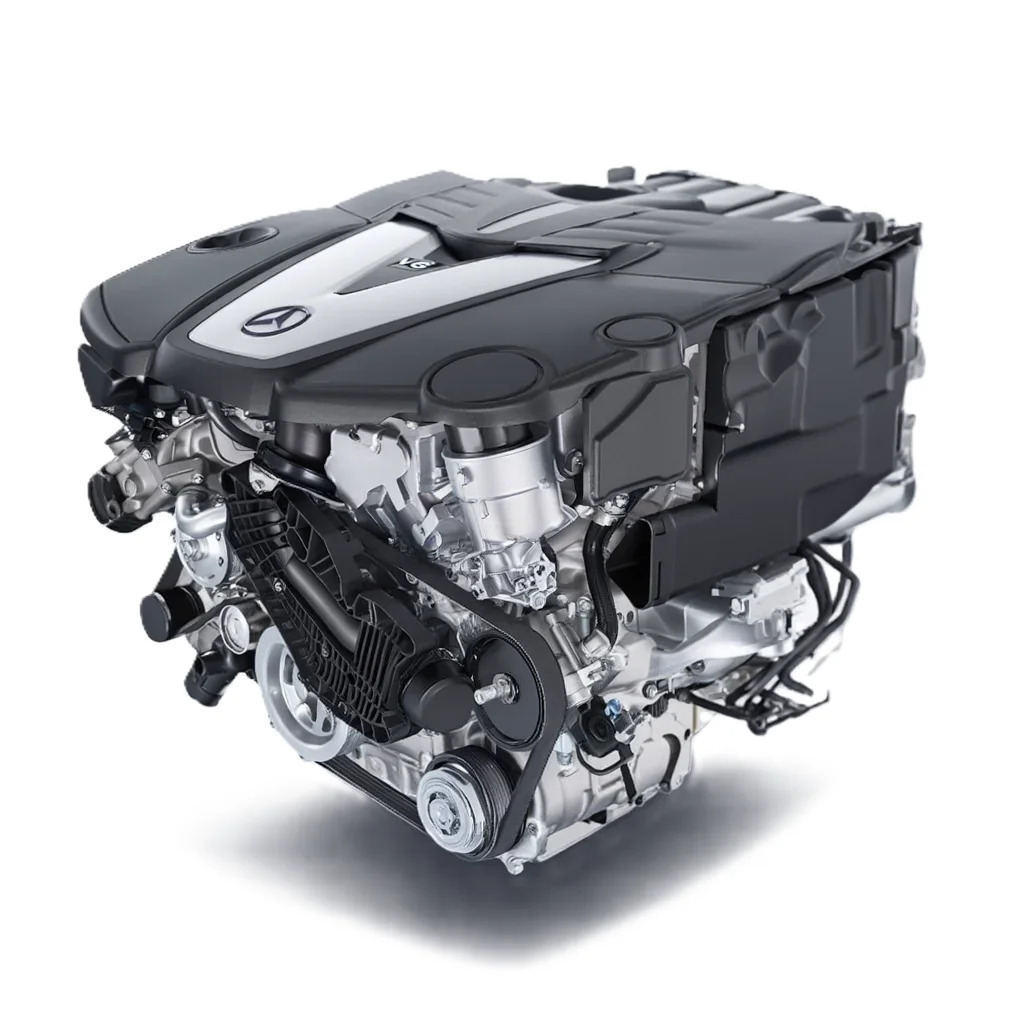
The 1WW is the 1.6-litre D-4D common-rail diesel engine fitted to the Toyota Auris and Verso between 2010 and 2018, designed for efficient urban and suburban driving. Reconditioned units are available from £1,200 .
Supply & Fit Available
12-Month Warranty
Nationwide Delivery
100+ Suppliers
Secure enquiry - no spam.
Quotes only from vetted UK engine specialists.
Vetted UK specialists for 1WW replacements
Minimum 12-month warranty on reconditioned and rebuilt options
The 1WW 1.6 D-4D was Toyota's efficient compact diesel offering, primarily fitted to the Auris hatchback and the Verso compact MPV. It provided a strong balance of fuel economy and adequate low-end torque for daily commuting and light load-carrying duties.
| Model | Generation/Chassis | Badge(s) | Years | Link |
|---|---|---|---|---|
 Toyota Auris Toyota Auris | E150 / E180 | 1.6 D-4D | 2010-2018 | |
| Toyota Verso | R20 | 1.6 D-4D | 2010-2015 |
1WW is documented across 2 BMW applications spanning Toyota Auris, Toyota Verso. Registration lookup confirms the exact suffix before quotes are sent.
Not sure which engine your car has- Enter your registration above - we'll confirm your exact 1WW fitment before any quotes are sent.
Condition | Supply Only | Fitted (Independent Specialist) | Typical Warranty |
|---|---|---|---|
Used | £400-£900 | £920-£1,550 | 3-6 months |
Reconditioned | £1,200-£2,200 | £1,720-£2,850 | 12-24 months |
Rebuilt | £2,000-£3,200 | £2,520-£3,850 | 12-24 months |
All . Fitted = supply price + labour band below.
Fitting a 1WW typically takes 8-10 hours at £65/hr (independent specialist rate) - confirm exact labour when comparing quotes.
The 1WW's compact 1.6L design makes it slightly less complex to service than the larger 2.0L D-4D units, but EGR and DPF condition remain the primary drivers of replacement cost. A unit with a documented history of regular DPF regeneration cycles and a clean EGR system will command the higher end of the reconditioned price spectrum. For a complete breakdown of how condition affects pricing, see our full reconditioned engine cost guide.
Get competitive quotes from trusted UK specialists today.
Every engine has its weak points. Here are the known issues with the 1WW, based on real-world data and verified failure patterns.
Verified issue focus: EGR valve clogging and DPF restriction.
Carbon buildup from exhaust gas recirculation restricts EGR flow and gradually saturates the Diesel Particulate Filter (DPF) channels. This triggers dashboard warning lights, forces the vehicle into limp mode, and causes elevated exhaust gas temperatures due to restricted flow.
Professional off-car EGR cleaning and forced DPF regeneration can resolve early-stage symptoms. However, severe blockage combined with secondary strain on the turbocharger often makes a full 1WW engine replacement the more economical long-term solution.
The copper washer seals at the base of the fuel injectors can degrade over time, allowing high-pressure combustion gases to escape. This causes a distinctive tapping noise, visible carbon buildup around the injector base, and potential misfires or rough idling.
Injector seal replacement is a straightforward, low-cost repair (£150-£300) and rarely requires a full engine replacement unless the cylinder head has been damaged by prolonged neglect and extreme carbon accumulation.
The 1WW is generally considered significantly more robust than the larger 1AD-FTV and 2AD-FTV 2.0L D-4D engines, with a far lower incidence of the catastrophic head gasket failures that plagued the 2.0L variants .
Compare rebuilt 1WW prices with the failure already addressed
The 1WW engine code is stamped on a machined pad on the engine block, typically located near the dipstick tube or on the upper timing belt cover. It is also clearly listed on your vehicle’s V5C registration document under "Engine Number" and can be definitively verified via a VIN decode.
Not sure which engine your car has- Enter your registration above - we'll confirm your exact 1WW fitment before any quotes are sent.
- The older 1.4-litre D-4D unit it replaced in some compact applications, lacking the 1.6L's refined common-rail architecture but sharing similar DPF sensitivities.
- The 2.0-litre D-4D variant of the AD family. If your vehicle is a larger Avensis or RAV4, you likely need the 1AD-FTV page, as the 1.6L 1WW is physically smaller and not interchangeable.
- The 2.2-litre D-4D variant. While it shares the D-4D common-rail architecture, it suffers from well-documented head gasket issues that the smaller 1.6L 1WW largely avoids.
Not sure which engine your car has- Enter your registration above - we'll confirm your exact 1WW fitment before any quotes are sent.
Choosing the right replacement route depends on your budget, risk tolerance, and ownership goals. Here's a breakdown of your options.
A used 1WW is only advisable if it comes with a comprehensive service history proving regular DPF regeneration cycles and EGR maintenance. Given the known risks of carbon buildup in urban-driven examples, a low-mileage used unit with documented care is the only safe used purchase. Compare used 1WW engines
This is the highly recommended route for the 1WW. A proper reconditioning process will proactively address the engine's known weaknesses by thoroughly cleaning or renewing the EGR valve, verifying DPF health, and fitting new injector seals, delivering near-new reliability without the premium of a brand-new unit. Compare reconditioned 1WW engines
A full rebuild is justified if the 1WW has suffered catastrophic turbocharger failure that sent metallic debris into the cylinders, or if the host vehicle is a high-mileage Verso intended for long-term commercial or family use. An upgraded rebuild should include a revised turbocharger and updated sealing components. Compare rebuilt 1WW engines
Securing a 1WW through our network guarantees a minimum 12-month warranty, with nationwide delivery and the option for vetted local specialist fitting to ensure the job is done right the first time. Explore supply and fit options
For typical host vehicles like the Toyota Auris E150/E180 and Verso R20, current UK market values range from £2,500 to £8,000. A reconditioned 1WW replacement (£1,200-£2,200 supply-only) represents a significant portion of the vehicle's value. If the lowest viable replacement cost exceeds approximately 60% of the vehicle's current market value, evaluate scrap value before committing.
Explore engines that are closely related to the Toyota 1WW, including its predecessor, successor, and key family variants.
- The older 1.4-litre D-4D unit it replaced in some compact applications, lacking the 1.6L's refined common-rail architecture but sharing similar DPF sensitivities.
Toyota discontinued small-displacement diesels in the UK market in favour of hybrid and petrol powertrains, leaving the 1WW as the final iteration of this specific 1.6L block.
- The 2.0-litre D-4D variant of the AD family. If your vehicle is a larger Avensis or RAV4, you likely need the 1AD-FTV page, as the 1.6L 1WW is physically smaller and not interchangeable.
- The 2.2-litre D-4D variant. While it shares the D-4D common-rail architecture, it suffers from well-documented head gasket issues that the smaller 1.6L 1WW largely avoids.
A reconditioned Toyota 1WW engine costs between £1,200 and £2,200 for supply-only, or £1,720 to £2,850 fully fitted by an independent specialist . Pricing reflects the compact 1.6L design, which is slightly less complex to service than larger 2.0L D-4D units. Supply-only options allow for independent specialist fitting to manage overall labour costs.
The most documented failure pattern involves EGR valve clogging and DPF restriction, particularly in vehicles used primarily for urban or short-journey driving. Carbon buildup restricts EGR flow and gradually saturates the Diesel Particulate Filter channels, triggering limp mode. Unlike the larger 2.0L AD-series engines, the 1WW does not suffer from the same catastrophic head gasket failure rate.
The 1WW engine code is fitted exclusively to the Toyota Auris (E150 and E180 generations) and the Toyota Verso (R20) compact MPV, manufactured between 2010 and 2018. It served as Toyota's efficient 1.6-litre D-4D diesel option for compact hatchbacks and family MPVs. It is not found in larger models like the Avensis or RAV4, which use the 2.0L and 2.2L AD-series engines.
A reconditioned 1WW is highly recommended over a used unit due to the known risks of carbon buildup in the EGR and DPF systems from urban driving. A proper reconditioning process ensures the EGR valve is thoroughly cleaned or renewed and the DPF health is verified. A used unit carries a high risk of immediate repeat blockages, negating any initial cost savings.
You can confirm the 1WW engine code by checking the vehicle’s V5C registration document under "Engine Number" or by locating the stamped code on the engine block near the dipstick tube. Do not rely solely on the "1.6 D-4D" badge, as earlier models may use the older 1ND-TV 1.4L unit or different market-specific codes. Entering your registration into our lookup tool will definitively confirm your exact engine fitment before quotes are sent.
Vetted UK specialists who work on the Toyota 1WW and AD-series family every week Minimum 12-month warranty on every reconditioned and rebuilt 1WW unit Nationwide delivery - supply-only or full supply & fit available Our free, no-obligation comparison service connects you directly with verified UK engine specialists. Quotes are specific to your exact 1WW code, and our registration lookup confirms your fitment before any quotes are sent. With reconditioned Toyota 1WW units starting from £1,200, comparing takes two minutes and could save you four figures on your replacement.
Vetted UK specialists for 1WW replacements
Minimum 12-month warranty on reconditioned and rebuilt options
Nationwide delivery plus supply and fit availability
Secure enquiry - no spam. Quotes only from vetted UK engine specialists.
Secure enquiry - no spam. Quotes only from vetted UK engine specialists.
Get Free 1WW Engine Quotes