01
Land Rover Defender
Generation/Chassis
90 / 110 (Classic)
Badge(s)
3.5 V8, 3.9 V8, 4.2 V8
Years
1983-1998
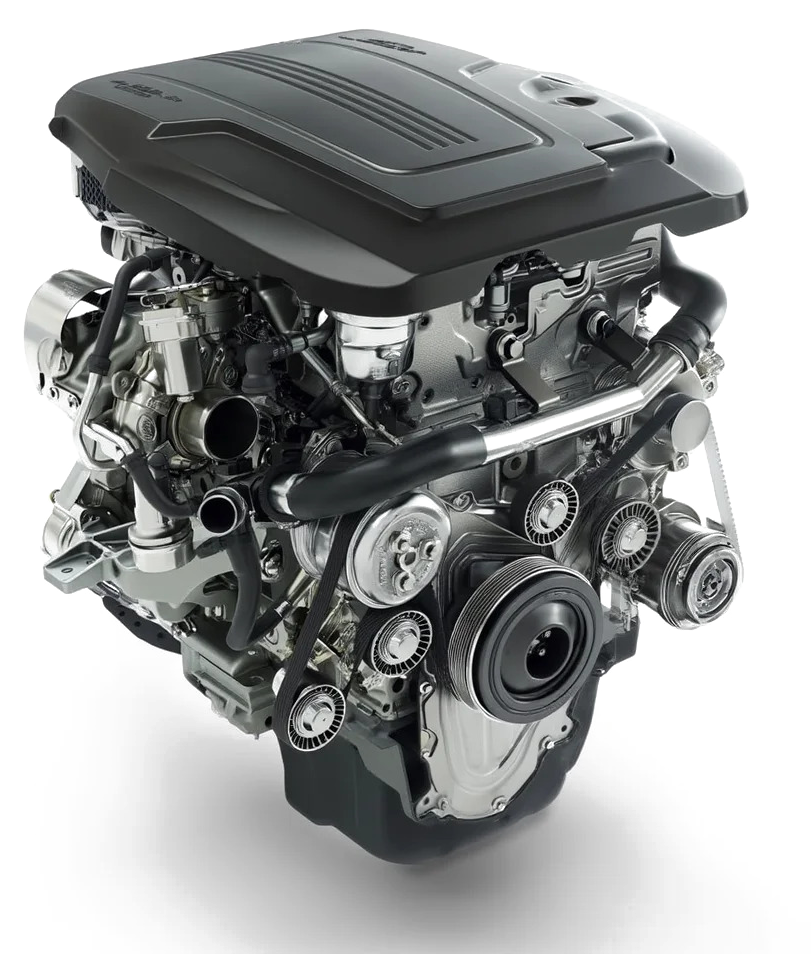
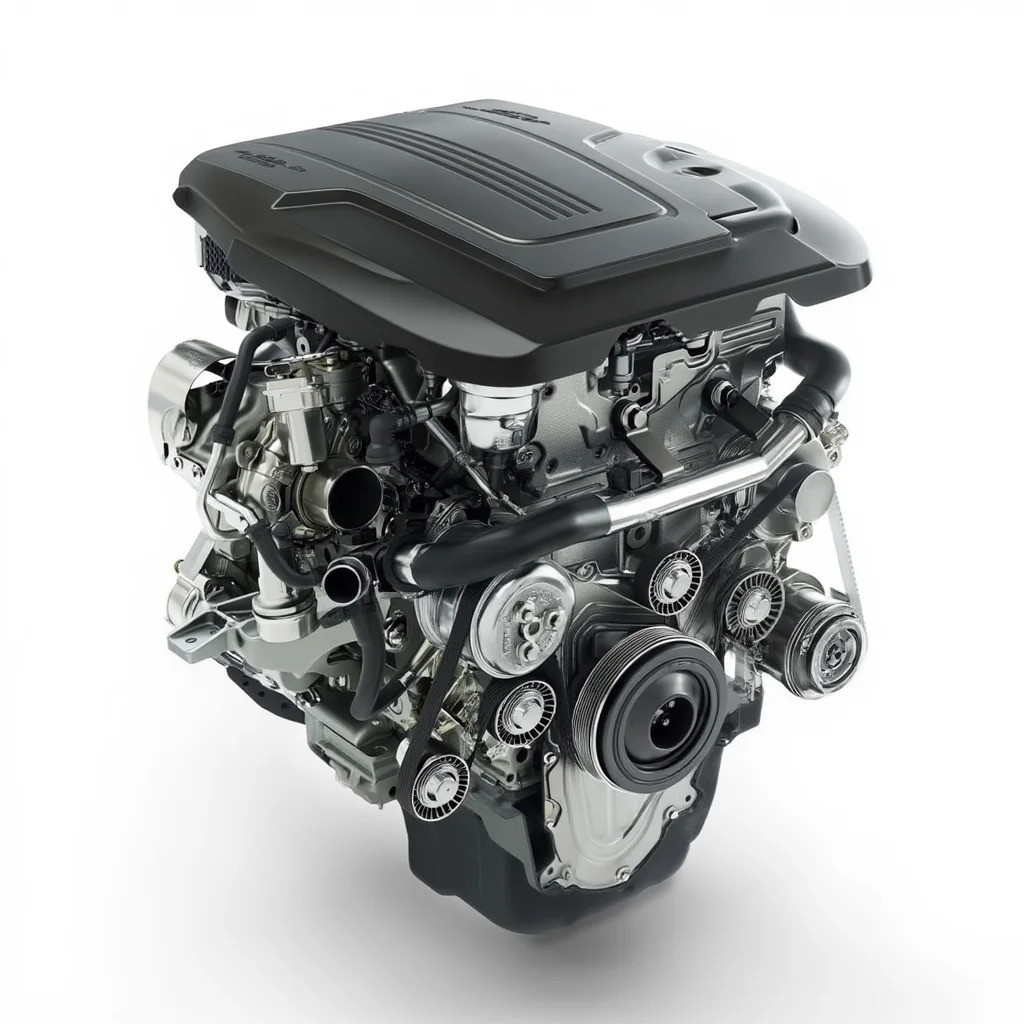
The iconic 3.5 to 5.0-litre aluminium V8 petrol engine that powered classic Land Rover Defender, Discovery, and Range Rover models for nearly four decades. Reconditioned Rover V8 units start from £2,800 , providing a vital lifeline for keeping these legendary British 4x4s on the road.
Supply & Fit Available
12-Month Warranty
Nationwide Delivery
100+ Suppliers
Secure enquiry - no spam.
Quotes only from vetted UK engine specialists.
Vetted UK specialists for Rover V8 replacements
Minimum 12-month warranty on reconditioned and rebuilt options
| Model | Generation/Chassis | Badge(s) | Years | Link |
|---|---|---|---|---|
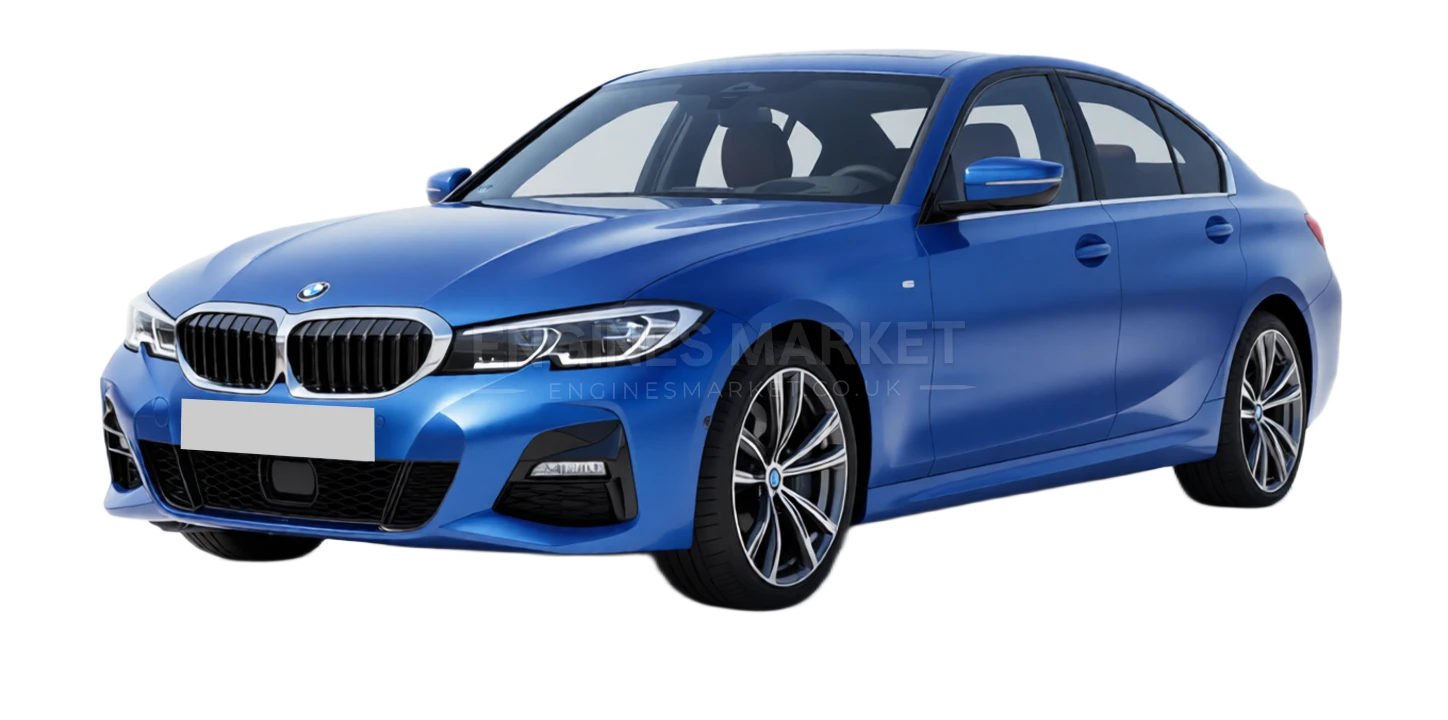 Land Rover Defender Land Rover Defender | 90 / 110 (Classic) | 3.5 V8, 3.9 V8, 4.2 V8 | 1983-1998 | |
| Land Rover Discovery | Discovery 1 (L318) | 3.5 V8, 3.9 V8 | 1989-1998 | |
| Land Rover Range Rover | Range Rover Classic | 3.5 V8, 3.9 V8, 4.2 V8 | 1970-1996 | |
| Land Rover Range Rover | P38A | 4.0 V8, 4.6 V8 | 1994-2002 |
Rover V8 is documented across 4 BMW applications spanning Defender, Discovery, Range Rover. Registration lookup confirms the exact suffix before quotes are sent.
Not sure which engine your car has- Enter your registration above - we'll confirm your exact Rover V8 fitment before any quotes are sent.
Condition | Supply Only | Fitted (Independent Specialist) | Typical Warranty |
|---|---|---|---|
Used | £1,200-£2,500 | £1,980-£3,680 | 3-6 months |
Reconditioned | £2,800-£5,500 | £3,580-£6,680 | 12-24 months |
Rebuilt | £4,500-£7,500 | £5,280-£8,680 | 12-24 months |
The final Rover V8 engine cost depends heavily on the displacement and fuel delivery system. A 4.6L P38A unit commands a premium over an early carburetted 3.5L, while a reconditioned block that has been line-bored, fitted with upgraded main bearings, and equipped with a refreshed fuel delivery system offers the best long-term value. For a detailed breakdown of what influences these figures across different conditions, see our full reconditioned engine cost guide.
Fitting a Rover V8 engine typically takes 12-16 hours at £65-£85/hr (independent specialist) due to the age of the host vehicles, the need to carefully manage aging ancillary components, and the tight engine bay packaging of the P38A chassis .
Get competitive quotes from trusted UK specialists today.
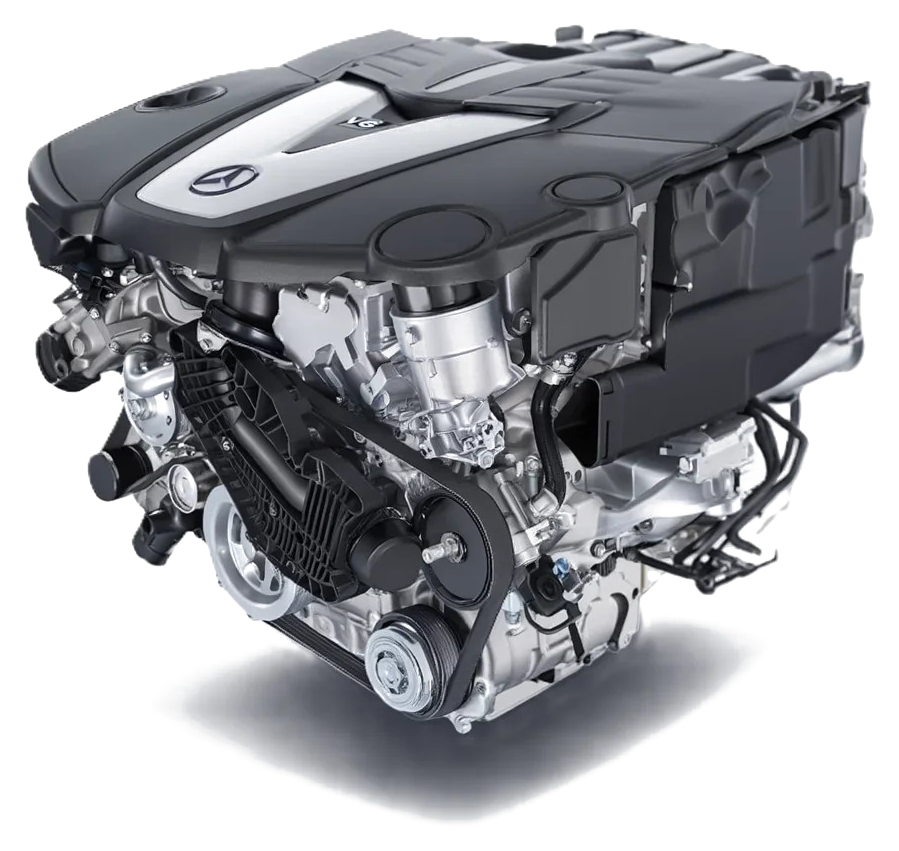
Every engine has its weak points. Here are the known issues with the Rover V8, based on real-world data and verified failure patterns.
Verified issue focus: Rear main seal leaks, rocker cover gasket degradation, and crankshaft bearing wear (4.6L).
The 4.6L variant, in particular, is known for premature main and big-end bearing wear due to oiling system limitations, high thermal loads, and extended service intervals. This manifests as a low-frequency knocking sound from the bottom end on cold starts, dropping oil pressure, and eventually catastrophic engine seizure if ignored.
While a bottom-end rebuild is mechanically possible, the labour intensity of stripping the engine often makes a full reconditioned Rover V8 replacement with upgraded bearings and clearanced oiling galleries the more reliable and financially sensible long-term fix.
The original cork or early rubber seals harden and shrink over decades of heat cycling. This leads to significant oil drips from the rear of the block or the valve covers, often mistaken for more severe internal failures.
Replacing the rear main seal and rocker cover gaskets is a straightforward and inexpensive repair if caught early. However, if ignored, chronic oil loss can lead to bearing starvation and secondary engine damage.
Twin SU or Zenith-Stromberg carburettors are highly sensitive to ethanol-blended modern fuels and temperature changes. This leads to flat spots, flooding, difficult cold starts, and poor fuel economy.
Rebuilding the carburettors with modern ethanol-resistant components is a standard repair. Alternatively, many owners opt for a conversion to a modern electronic fuel injection (EFI) system for improved drivability and reliability.
The 3.9L and 4.2L variants (pre-P38A) are widely regarded by classic Land Rover specialists as the most robust and easily serviceable iterations of the Rover V8 family, avoiding the complex electronics of the P38A 4.6L while offering superior low-end torque to the early 3.5L .
Compare rebuilt Rover V8 prices with the failure already addressed
The "Rover V8" name covers a 35-year production run with several distinct displacements and fuel delivery systems. Knowing your exact variant is critical, as mounting points, ECU mappings, sump designs, and wiring looms differ significantly between generations. - Fitted to: Early Range Rover Classic, early Defender - Key technical difference: Twin SU or Zenith-Stromberg carburettors, lower compression ratio, simplest mechanical design with no engine management computer. - Sub-code-specific failure note: Highly susceptible to modern ethanol fuel degradation, varnish buildup, and carburettor icing. - Interchange note: Can be upgraded to later fuel injection, but requires a new wiring loom, ECU, and intake manifold; not a direct plug-and-play swap. - Fitted to: Late Range Rover Classic, Discovery 1, Defender - Key technical difference: Increased stroke, Lucas electronic fuel injection, improved low-end torque curve, and slightly higher compression. - Sub-code-specific failure note: Shares the family's rear main seal vulnerability; fuel injector seals can also perish, causing rough idling. - Interchange note: A popular and relatively straightforward upgrade swap for 3.5L hosts, provided the ECU and wiring harness are swapped concurrently. - Fitted to: Defender (limited run), Range Rover Classic (LSE) - Key technical difference: Larger bore, designed specifically for low-end torque and heavy-duty utility or towing use. - Sub-code-specific failure note: Shares the family failure pattern above. - Interchange note: Physically similar to the 3.9L but requires specific engine management calibration; not a direct drop-in for a 3.9L without ECU remapping or replacement. - Fitted to: Range Rover P38A - Key technical difference: Largest standard displacement, GEMS (General Engine Management System) or later Bosch Motronic electronics, cross-bolted main bearing caps on later blocks. - Sub-code-specific failure note: Notorious for main bearing wear and complex, failure-prone GEMS electronics and valley coolant crossover leaks. - Interchange note: Not a simple swap for earlier models due to the entirely different engine management architecture, wiring loom complexity, and different sump profile. - Fitted to: Range Rover Classic (LSE, primarily US/Export) - Key technical difference: Stroker crankshaft, specific high-compression pistons, unique engine management calibration. - Sub-code-specific failure note: Shares the family failure pattern above, with added stress on the stroker crankshaft if not balanced correctly. - Interchange note: Rare in the UK; requires a complete donor loom and ECU to function correctly.
Not sure which engine your car has- Enter your registration above - we'll confirm your exact Rover V8 fitment before any quotes are sent.
The - the JLR-developed successor that eventually replaced the Rover V8 architecture in the Range Rover lineup, featuring a completely new block design, cross-bolted main caps, and improved oiling systems.
Not sure which engine your car has- Enter your registration above - we'll confirm your exact Rover V8 fitment before any quotes are sent.
Choosing the right replacement route depends on your budget, risk tolerance, and ownership goals. Here's a breakdown of your options.
A used Rover V8 engine for sale can be a viable, budget-friendly option for early carburetted 3.5L projects where period correctness is paramount, provided the seller can confirm even compression across all eight cylinders and an absence of heavy internal sludge. The primary risk is inheriting hidden main bearing wear. Learn more about used engines.
For most classic Land Rover owners, a reconditioned Rover V8 is the optimal choice. A proper recon will proactively address the engine’s known weaknesses by line-boring the block, fitting upgraded main and big-end bearings, replacing the rear main seal and rocker cover gaskets, and refreshing the fuel delivery system, delivering near-new reliability for the future. Explore reconditioned engine options.
A full rebuild is justified for concours-restoration Range Rover Classic or Defender projects where the engine is being stripped to the bare block. This allows for a fully balanced rotating assembly, precision clearancing of the oiling system, and bespoke carburettor or modern EFI conversions to match the restored chassis. View rebuilt engine services.
Sourcing and fitting your replacement through our vetted network ensures the work is completed by specialists familiar with classic Land Rover wiring, carburettor tuning, and GEMS diagnostics, backed by a nationwide warranty. Check supply and fit availability.
Classic Range Rover, Discovery 1, and Defender values typically range from £5,000 to £25,000+, heavily dependent on chassis condition, rust levels, and service history . Because a fully reconditioned Rover V8 engine replacement can approach £5,500, it is crucial to evaluate the vehicle's overall body condition before committing to a major mechanical investment. If the lowest viable replacement cost exceeds approximately 60% of the vehicle's current market value, evaluate scrap value first.
Explore engines that are closely related to the Land Rover Rover V8, including its predecessor, successor, and key family variants.
A reconditioned Rover V8 engine typically costs between £2,800 and £5,500 for supply only, with fitted prices ranging from £3,580 to £6,680. Used units start around £1,200 but carry a higher risk of inherited main bearing wear or seal leaks. Full rebuilt units for concours restorations can exceed £7,500. Labour typically adds 12-16 hours at £65-£85/hr for an independent classic Land Rover specialist.
The most documented failure across the Rover V8 family is crankshaft bearing wear, particularly in the later 4.6L variants, alongside age-related rear main seal and rocker cover gasket leaks. Early 3.5L models are highly prone to carburettor tuning issues and fuel starvation with modern ethanol blends. The 4.6L is notorious for main bearing fatigue due to oiling system limitations and high thermal loads. A low-frequency knocking sound on cold starts is the primary warning sign of bearing failure.
The Rover V8 was fitted to the Land Rover Defender (90/110), Discovery 1, Range Rover Classic, and Range Rover P38A between 1967 and 2004. It was offered in 3.5L, 3.9L, 4.0L, 4.2L, 4.6L, and 5.0L displacements. It served as the definitive petrol powerplant for Land Rover's premium and utility lines for nearly four decades.
For a classic Land Rover, a reconditioned Rover V8 is almost always the better long-term investment compared to a used unit. Used engines often inherit the same age-related seal degradation or hidden main bearing wear. A proper reconditioned build proactively line-bores the block, fits upgraded main and big-end bearings, and replaces all seals and gaskets. Reconditioned units also ensure the fuel delivery system (whether carburettor or injection) is fully refreshed for modern fuel compatibility.
You can confirm your engine displacement and serial number by checking the V5C registration document or locating the code stamped on the front of the cylinder block. The 3.5L and 3.9L/4.2L variants are physically similar but require different engine management (carburettor vs. Lucas L-Jetronic). The 4.6L P38A variant features a completely different GEMS or Bosch Motronic engine management architecture and wiring loom. Swapping a 4.6L into an earlier chassis, or vice versa, requires extensive wiring and ECU modifications, not just a physical drop-in.
Get a free, no-obligation comparison of replacement options specific to your exact Defender, Discovery, or Range Rover. Our registration lookup confirms your Rover V8 fitment and displacement before any quotes are sent, ensuring you only pay for compatible parts. With reconditioned Rover V8 units starting from £2,800, comparing takes two minutes and could save you hundreds on your classic Land Rover restoration.
Vetted UK specialists for Rover V8 replacements
Minimum 12-month warranty on reconditioned and rebuilt options
Nationwide delivery plus supply and fit availability
Secure enquiry - no spam. Quotes only from vetted UK engine specialists.
Secure enquiry - no spam. Quotes only from vetted UK engine specialists.
Get Free Rover V8 Engine Quotes