01
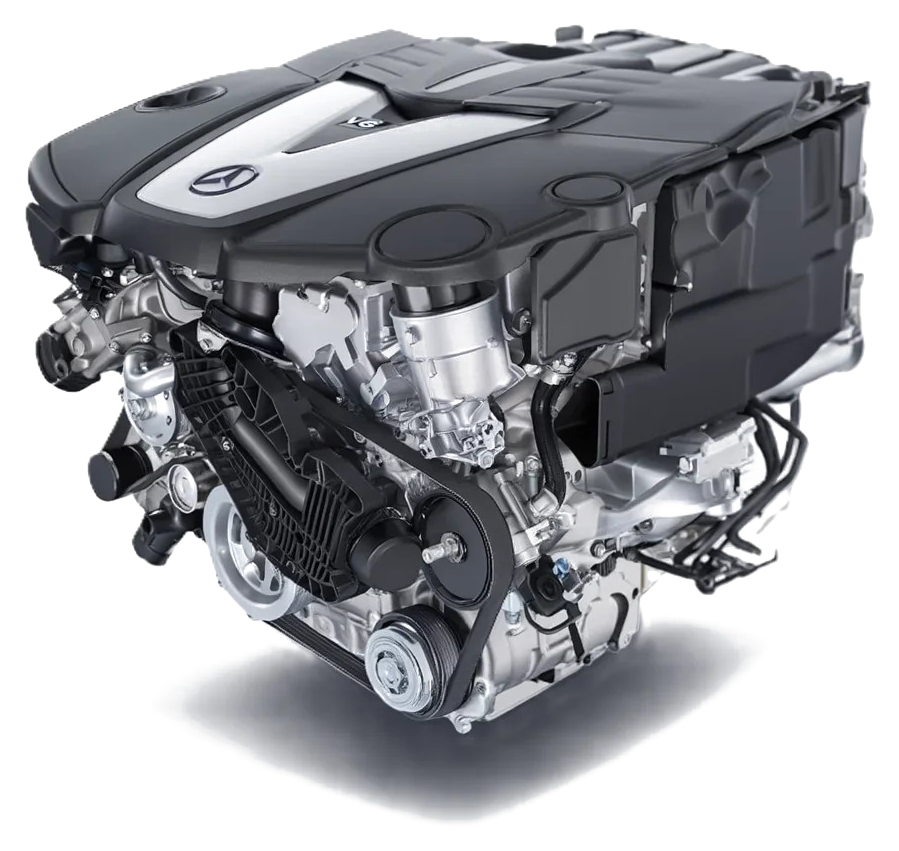
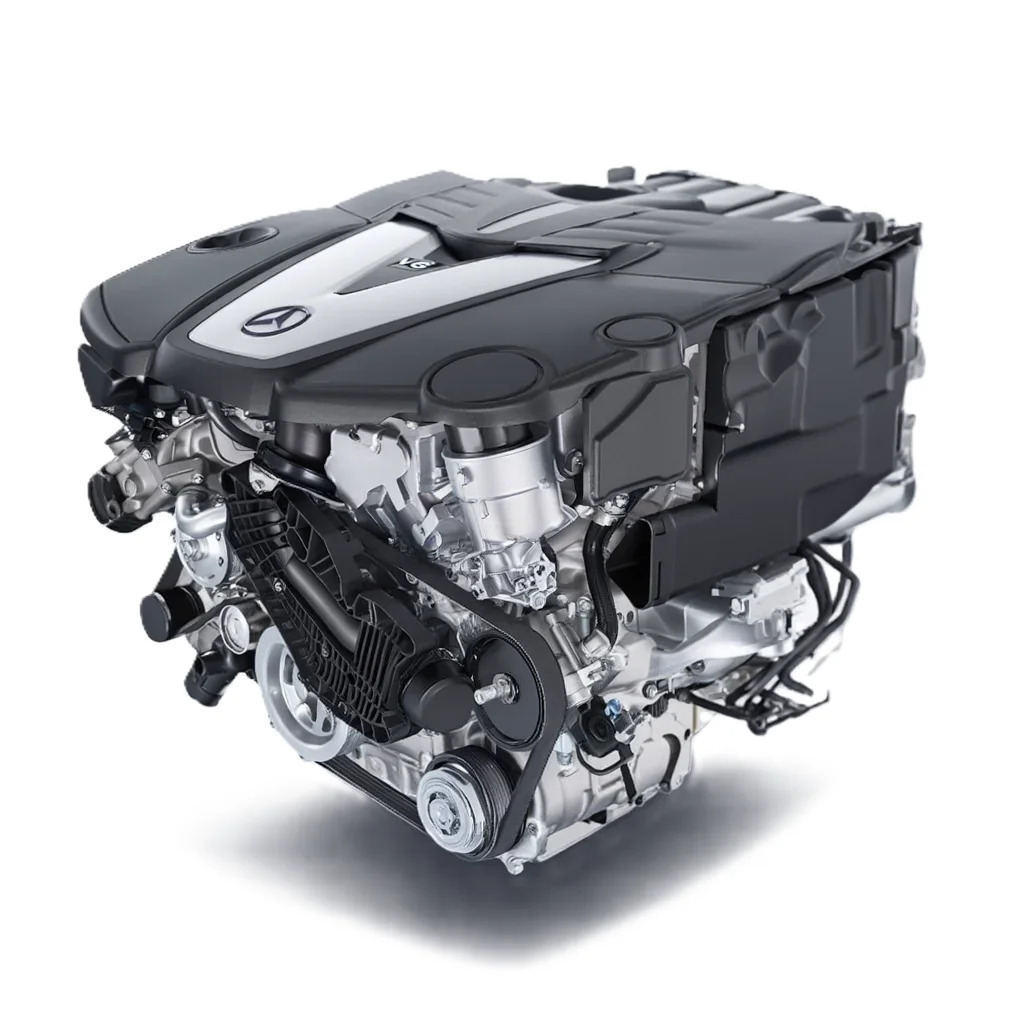
The CNHA is the 2.0-litre TDI Ultra diesel engine fitted to high-efficiency variants of the Audi A4, A6, and Q5 between 2015 and 2020. Reconditioned units are available from £2,800 , backed by 310 UK replacement requests for the broader EA288 2.0 TDI family in 2025 .
Supply & Fit Available
12-Month Warranty
Nationwide Delivery
100+ Suppliers
Secure enquiry - no spam.
Quotes only from vetted UK engine specialists.
Vetted UK specialists for CNHA replacements
Minimum 12-month warranty on reconditioned and rebuilt options
TAG: Fitted To
CNHA is documented across 3 BMW applications spanning Audi A4, Audi A6, Audi Q5. Registration lookup confirms the exact suffix before quotes are sent.
Not sure which engine your car has- Enter your registration above - we'll confirm your exact CNHA fitment before any quotes are sent.
Condition | Supply Only | Fitted (Independent Specialist) | Typical Warranty |
|---|---|---|---|
Used | £1,200-£2,500 | £1,720-£3,215 | 3-6 months |
Reconditioned | £2,800-£4,500 | £3,320-£5,215 | 12-24 months |
Rebuilt | £3,800-£6,000 | £4,320-£6,715 | 12-24 months |
The replacement cost for an Audi CNHA engine is heavily influenced by the condition of the emissions hardware. Units with a recently serviced AdBlue system (including NOx sensors and the dosing heater) and a professionally cleaned DPF command a premium. Always verify if the EGR cooler has been inspected, as this is a known wear item on higher-mileage examples. For a full breakdown of what is included in a professional rebuild, see our full reconditioned engine cost guide .
Fitting a CNHA typically takes 8-11 hours at £65/hr (independent specialist rate) - confirm exact labour when comparing quotes.
Get competitive quotes from trusted UK specialists today.
Every engine has its weak points. Here are the known issues with the CNHA, based on real-world data and verified failure patterns.
Verified issue focus: AdBlue system component failure / DPF clogging.
The CNHA relies heavily on its Selective Catalytic Reduction (SCR) system to meet strict Euro 6 emissions standards. The AdBlue heater element or NOx sensors are prone to failure, triggering dashboard warning lights and potentially putting the vehicle into a reduced-power "limp" mode to prevent excessive emissions.
This is often resolved by replacing the specific faulty sensor or heater element (£400-£1,500 ). However, if AdBlue crystallisation has damaged the injector or the tank itself, a full system replacement may be required, making a reconditioned Audi CNHA engine a more viable long-term solution.
As an "Ultra" efficiency engine, the CNHA is frequently used for long motorway runs. When subjected to short, urban journeys, the Diesel Particulate Filter (DPF) cannot complete its active regeneration cycle. This leads to soot buildup, restricted exhaust flow, and eventual turbocharger strain due to excessive backpressure.
A professional DPF clean or forced regeneration can resolve early-stage clogging. If the DPF is physically cracked or the turbo has suffered oil starvation due to the blockage, Audi CNHA engine replacement is often the most reliable fix.
The Exhaust Gas Recirculation (EGR) cooler can develop internal or external coolant leaks over time. This may present as a sweet smell from the engine bay, unexplained coolant loss, or white smoke from the exhaust under load.
Replacing the EGR cooler is a standard, manageable repair. It rarely warrants a full Audi CNHA engine replacement unless the leak has been ignored long enough to cause severe hydrolock or overheating damage.
The CNHA (part of the broader EA288 family) is generally considered significantly more reliable than its predecessor, the EA189, with far fewer catastrophic timing chain or injector failure issues reported by UK specialists .
Compare rebuilt CNHA prices with the failure already addressed
The CNHA engine code is stamped directly onto the engine block, typically located on a machined pad near the junction of the engine and gearbox, or on a manufacturer sticker affixed to the timing belt cover. It is also clearly listed in your vehicle's V5C registration document under the "Engine Capacity" or "Engine Code" section, and can be definitively verified via a VIN decode. The CNHA is sometimes confused with other EA288 2.0 TDI codes, such as the CRLB or CRBC. While they share the same fundamental architecture, the CNHA is specifically calibrated for "Ultra" low-emission efficiency. This often involves specific AdBlue dosing strategies, unique software maps, and revised exhaust routing. Fitting a non-CNHA replacement may result in ECU incompatibility, failed MOT emissions tests, or incorrect AdBlue consumption rates.
Not 100% sure- Enter your registration above - we'll confirm your exact CNHA fitment before any quotes are sent.
- the mainstream EA189 2.0 TDI it replaced, which was prone to injector coking and EGR clogging before the CNHA introduced a more robust AdBlue system for stricter Euro 6 compliance.
while the CNHA remains the definitive "Ultra" efficiency code, later EA288 updates refined the AdBlue dosing strategy and thermal management for even lower real-world emissions, eventually phasing out the "Ultra" specific branding.
- the earlier 140hp common-rail variant of the EA189 family, which shares the CNHA's core architecture but lacks the advanced emissions hardware and specific ECU calibration.
Not 100% sure- Enter your registration above - we'll confirm your exact CNHA fitment before any quotes are sent.
Choosing the right replacement route depends on your budget, risk tolerance, and ownership goals. Here's a breakdown of your options.
A used Audi CNHA engine can be a cost-effective choice for older, lower-value A4 or A6 hosts, provided the seller can supply documented evidence of regular AdBlue system servicing and DPF regeneration history. The primary risk is inheriting a clogged DPF or a failing NOx sensor that will require immediate attention.
This is the recommended route for most CNHA owners. A proper reconditioned unit will have the AdBlue injector, NOx sensors, and EGR cooler rigorously tested or replaced, and the DPF professionally cleaned or renewed. This eliminates the most common failure points and restores the engine to near-factory reliability.
A full rebuild is justified for high-mileage Q5 or A6 examples where the core block is sound, but ancillary components (such as the turbocharger or high-pressure fuel pump) show significant wear. Ensure the rebuild specification explicitly addresses the EA288 emissions hardware to prevent recurring issues.
Booking through our network ensures your CNHA is installed by specialists familiar with VW Group emissions software, backed by a minimum 12-month warranty and nationwide delivery.
With typical host vehicles (Audi A4 B9, A6 C7/C8, Q5 FY) valued between £8,000 and £40,000 , a reconditioned CNHA replacement remains well within the vehicle's value. This makes repair a financially sound decision over scrapping, earning a Safe rating on our ownership decision index.
Explore engines that are closely related to the Audi CNHA, including its predecessor, successor, and key family variants.
- the mainstream EA189 2.0 TDI it replaced, which was prone to injector coking and EGR clogging before the CNHA introduced a more robust AdBlue system for stricter Euro 6 compliance.
while the CNHA remains the definitive "Ultra" efficiency code, later EA288 updates refined the AdBlue dosing strategy and thermal management for even lower real-world emissions, eventually phasing out the "Ultra" specific branding.
- the earlier 140hp common-rail variant of the EA189 family, which shares the CNHA's core architecture but lacks the advanced emissions hardware and specific ECU calibration.
- the 184hp performance variant of the same EA189/EA288 generation; owners seeking higher output should look here, as the CNHA is strictly calibrated for maximum fuel economy.
- the exact same physical EA288 2.0 TDI Ultra engine was fitted to the VW Golf, Passat, and Tiguan during the same production window, sharing identical failure patterns and replacement costs.
An Audi CNHA engine replacement typically costs between £2,800 and £4,500 for a reconditioned supply-only unit . Fitted costs add approximately £520-£715 for independent specialist labour. Used units are available from £1,200, though they carry higher risk regarding AdBlue and DPF health.
The most documented failure pattern for the CNHA is AdBlue system component failure, typically occurring between 100,000 and 180,000 miles . NOx sensors or the AdBlue heater element frequently fail, triggering limp mode. DPF clogging is also common if the vehicle is primarily used for short, urban journeys.
The CNHA engine was fitted to the Audi A4 (B9), A6 (C7/C8), and Q5 (FY) between 2015 and 2020. It was primarily marketed as the "Ultra" efficiency variant of the 2.0 TDI. It is also shared with select Volkswagen models, including the Golf, Passat, and Tiguan.
A reconditioned CNHA engine is strongly recommended over a used unit due to the known wear patterns of the EA288 emissions hardware. A proper recon will address or replace the AdBlue injector, NOx sensors, and EGR cooler. Used units often inherit clogged DPFs or failing AdBlue heaters, leading to immediate post-purchase repair bills.
You can confirm your vehicle has the CNHA engine by checking the V5C registration document or the manufacturer sticker on the timing belt cover. The code is also stamped on a machined pad near the engine and gearbox junction. Do not confuse it with the CRLB or CRBC, as fitting the wrong revision can cause ECU and emissions incompatibility.
Get a free, no-obligation price comparison for your exact Audi CNHA engine. Our registration lookup confirms your precise fitment and sub-code before any quotes are sent, ensuring you receive accurate pricing from vetted specialists. With reconditioned CNHA units starting from £2,800, comparing takes two minutes and could save you hundreds on your replacement.
Vetted UK specialists for CNHA replacements
Minimum 12-month warranty on reconditioned and rebuilt options
Nationwide delivery plus supply and fit availability
Secure enquiry - no spam. Quotes only from vetted UK engine specialists.
Secure enquiry - no spam. Quotes only from vetted UK engine specialists.
Get Free CNHA Engine Quotes